


Peptide Therapy for Anti-Aging:
How It Works and What to Expect
Aging is a natural process characterized by gradual changes in the body’s structure and function. However recent advancements in medical science have introduced peptide therapy as a promising approach to mitigate the effects of aging. Peptides are short chains of amino acids which play crucial roles in various physiological processes, including cell signaling, hormone production, and tissue repair. In the context of anti-aging, specific peptides have been identified for their potential to enhance skin health, improve muscle mass, and boost overall vitality.
Understanding Peptide Therapy
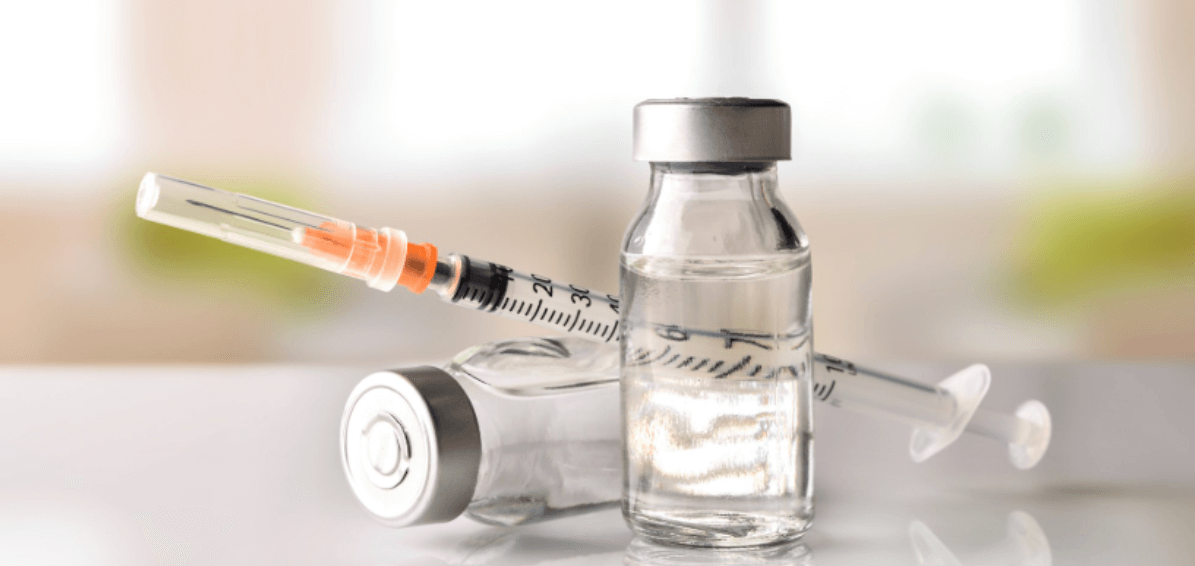
Peptide therapy involves the administration of specific peptides to stimulate certain natural biological processes that decline with age. These peptides can be delivered through injections, topical applications, sublingually, or oral supplements, depending on their intended function and bioavailability. The goal is to replenish or mimic the activity of naturally occurring peptides, thereby promoting rejuvenation and delaying age-related deterioration. Please come back check for available peptides, we are always adding new ones!
Let’s look at several popular peptides in anti aging therapies:
GHK-Cu (Copper Peptide): GHK-Cu is a naturally occurring peptide known for its role in wound healing and skin regeneration. Studies have demonstrated its ability to stimulate collagen production, enhance skin elasticity, and reduce wrinkles, making it a popular component in anti-aging skincare products.
Epithalon: Epithalon is a synthetic peptide that has been shown to activate telomerase, an enzyme that extends telomeres—the protective caps at the ends of chromosomes. By promoting telomere elongation, Epithalon may contribute to increased cellular longevity and overall lifespan.
CJC-1295: This peptide functions as a growth hormone-releasing hormone (GHRH) analog, stimulating the release of growth hormone. Elevated growth hormone levels are associated with improved muscle mass, reduced body fat, and enhanced energy levels, all of which are beneficial in combating age-related decline.
Thymosin Alpha-1: Known for its immune-modulating properties, Thymosin Alpha-1 enhances the body’s defense mechanisms, which can weaken with age. By boosting immune function, this peptide helps protect against infections and supports overall health.
Sermorelin: is a synthetic peptide analog of growth hormone-releasing hormone (GHRH) that stimulates the pituitary gland to produce more of the body’s own human growth hormone (hGH). Primarily used off-label in adults to combat age-related GH decline, it offers benefits such as improved sleep, increased energy, enhanced muscle mass, fat reduction, and faster recovery. It is typically administered via daily subcutaneous injections.
